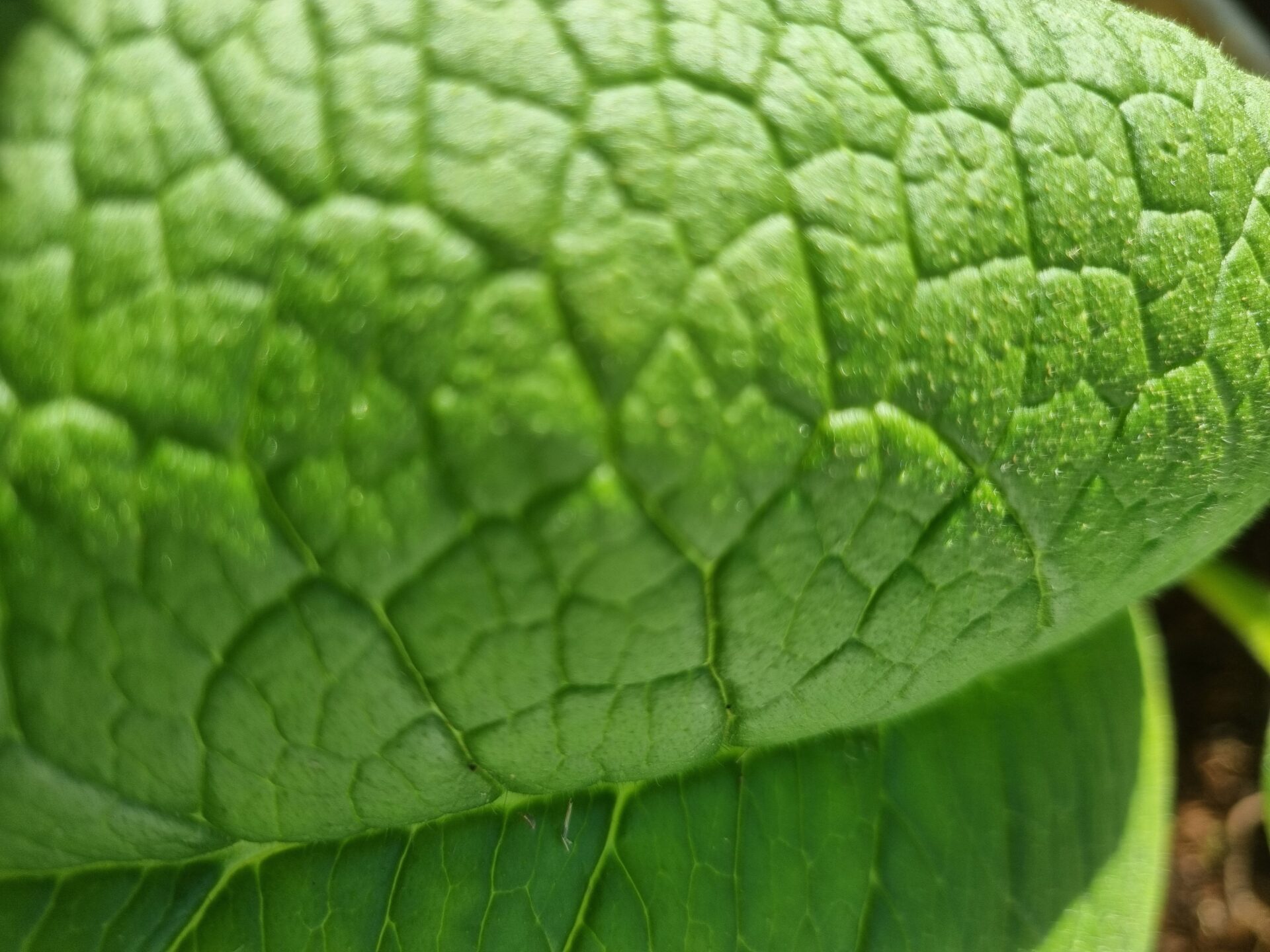
Free fertiliser sounds like a scam until you realise some plants are literally mining nutrients for you while you sleep. Comfrey is one of those plants and once it’s established, it quietly turns sunlight, water and time into a steady drip of nutrition for your garden.
I’m Daniel, based in Sedgefield on the Garden Route, and I’m building a small comfrey project on the side of my digital work. Part of why I’m doing this is very practical, I’m tired of seeing people pay for bag after bag of fertiliser when they could grow a chunk of that fertility themselves, in a corner of the garden, for years.
Comfrey is my answer to that.
The problem, fertiliser isn’t cheap and it never stops
If you’ve tried to grow anything more than a few pot plants, you already know the pattern
- You buy a bag of fertiliser or a bottle of liquid feed.
- It helps for a bit.
- Then the bag is empty, the bottle is finished, and the soil still needs feeding.
For home growers and small farmers, that becomes an endless line item. The real question is, how much of that could I grow on site instead of buying in?
This is where comfrey starts to shine.
What comfrey leaves are carrying
Comfrey has a deep root system. Those roots reach down, pull up nutrients, and pack them into big leaves. When you chop those leaves and drop them on the soil, they rot down and hand those nutrients back, right where your other plants need them.
Inside a comfrey leaf you will typically find:
- Nitrogen – fuels lush, green growth. Think leafy greens, brassicas and anything that looks hungry and pale.
- Potassium (K) – key for flowers, fruit, and general resilience. Many gardeners know comfrey as a “potash” plant because the leaves are particularly rich in potassium compared to a lot of other biomass plants.
- Phosphorus (P) – supports root strength, vigour and stress resistance.
- Calcium – helps build strong cell walls and structure, which is especially useful for fruiting crops that hate calcium swings.
- Magnesium and trace minerals – plus things like silica and a range of micronutrients that support soil life and plant health.
It’s not magic, it is simply a plant that concentrates a useful mix of nutrients in leaves you can harvest again and again.
How those leaves turn into “free fertiliser”
There are a few simple ways to let comfrey do its thing for you:
- Chop and drop mulch – cut the leaves and lay them straight on the soil around fruit trees, shrubs or heavy feeders. As they decompose (quite quickly actually), they release their nitrogen, potassium, phosphorus, calcium and trace elements into the top layer of soil, right where most plats need it, close to the roots.
- Comfrey in the compost – toss comfrey leaves into your compost heap as an activator. They break down quickly, add nitrogen and minerals, and help speed the whole pile along.
- Bucket brews – soak chopped comfrey leaves in water for a couple of weeks, strain, dilute, and you’ve got a strong liquid feed. It’s not perfume, but it’s effective.
Every time you cut the plant, you’re basically withdrawing a bit of the nutrient savings account it’s been building underground.
What this changes for a normal person with a normal garden
Here’s the human side of it.
If you’re running a household, a small garden or a mixed food forest, you’re already making trade‑offs:
- “Do I buy another bag of fertiliser this month?”
- “Can I afford to feed the citrus properly and still top‑dress the veg beds?”
- “Is this soil problem actually money, or is it system design?”
Comfrey won’t replace every single bag you ever buy, but one well‑placed patch can:
- Offset a chunk of your fertiliser spend by providing home‑grown nitrogen and potassium rich mulch.
- Improve your soil structure and biology over time as the leaves and roots break down.
- Give you something reliable you can cut several times a season without re‑buying it from the shop.
Once the plant is established, the marginal cost of each leafy “harvest” is almost nothing.
Why I chose Bocking 14 (and why that matters for you)
On my site and YouTube channel you’ll see me talk a lot about Bocking 14, a selected comfrey cultivar that’s usually propagated from root cuttings rather than seed.
The simple reason is control. Bocking 14:
- Stays where you plant it instead of seeding itself all over the place.
- Produces a lot of biomass in a relatively small area.
- Can be divided and shared with other growers once it’s established.
That makes it a good candidate for turning a small corner of your property into a permanent “fertility bank” without feeling like you’ve unleashed something you can’t get back.
Choosing comfrey instead of another bag
This isn’t about becoming a comfrey purist or never buying fertiliser again. It’s about having one dependable plant that:
- Works while you’re busy with life.
- Shows up in the same place, season after season.
- Lets you convert your own sun, water and time into fertility.
If that idea takes some pressure off your gardening budget and your nervous system, it’s probably worth a plant or three.
If you want to grow your own free fertiliser
I’m documenting my comfrey journey here on the Garden Route, from the first containers to future rows and compost blends, so that other South African growers can copy what works and avoid my mistakes.
If you’d like to:
- Grow comfrey as a free fertiliser,
- Get your hands on Bocking 14 cuttings or crowns once they’re ready, or
- Learn how to plug comfrey into a real, lived‑in garden or smallholding,
you can join the interest list on this site and follow along on the Sedgefield Comfrey Farm channel.
Your future self, and your soil, will probably thank you.