Why I Started a Sedgefield Comfrey Farm on the Garden Route
I never planned to start a comfrey farm. I planned to solve problems, for clients, for businesses, and eventually for my own family and piece of ground on the Garden Route.
Over the past few years I’ve spent most of my time building digital systems and marketing for other people’s projects. It has been challenging and rewarding, but something in me kept looking for a way to connect that work with real soil, real plants, and real resilience here in Sedgefield in the Western Cape.
Meeting comfrey (and Bocking 14)
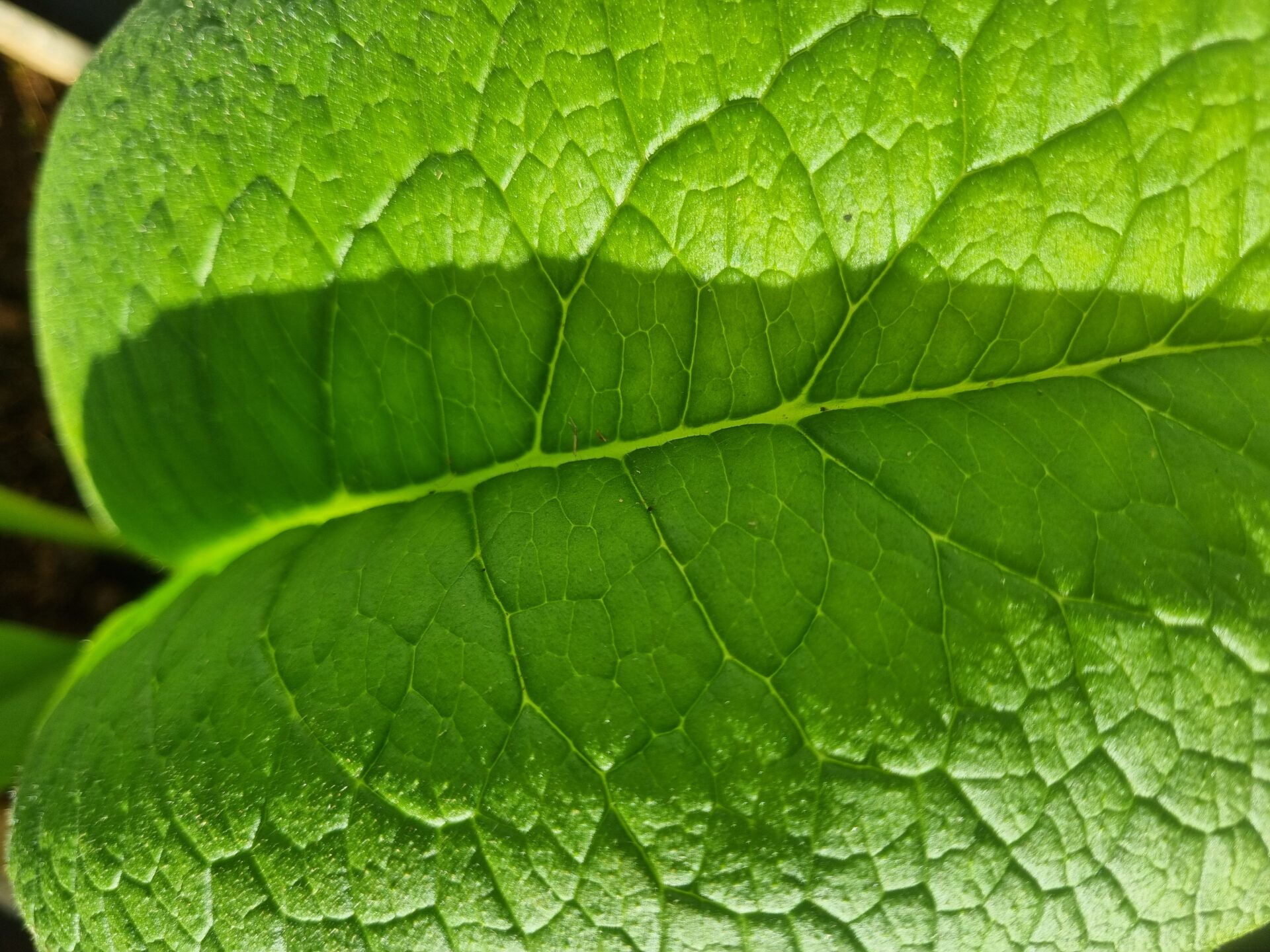
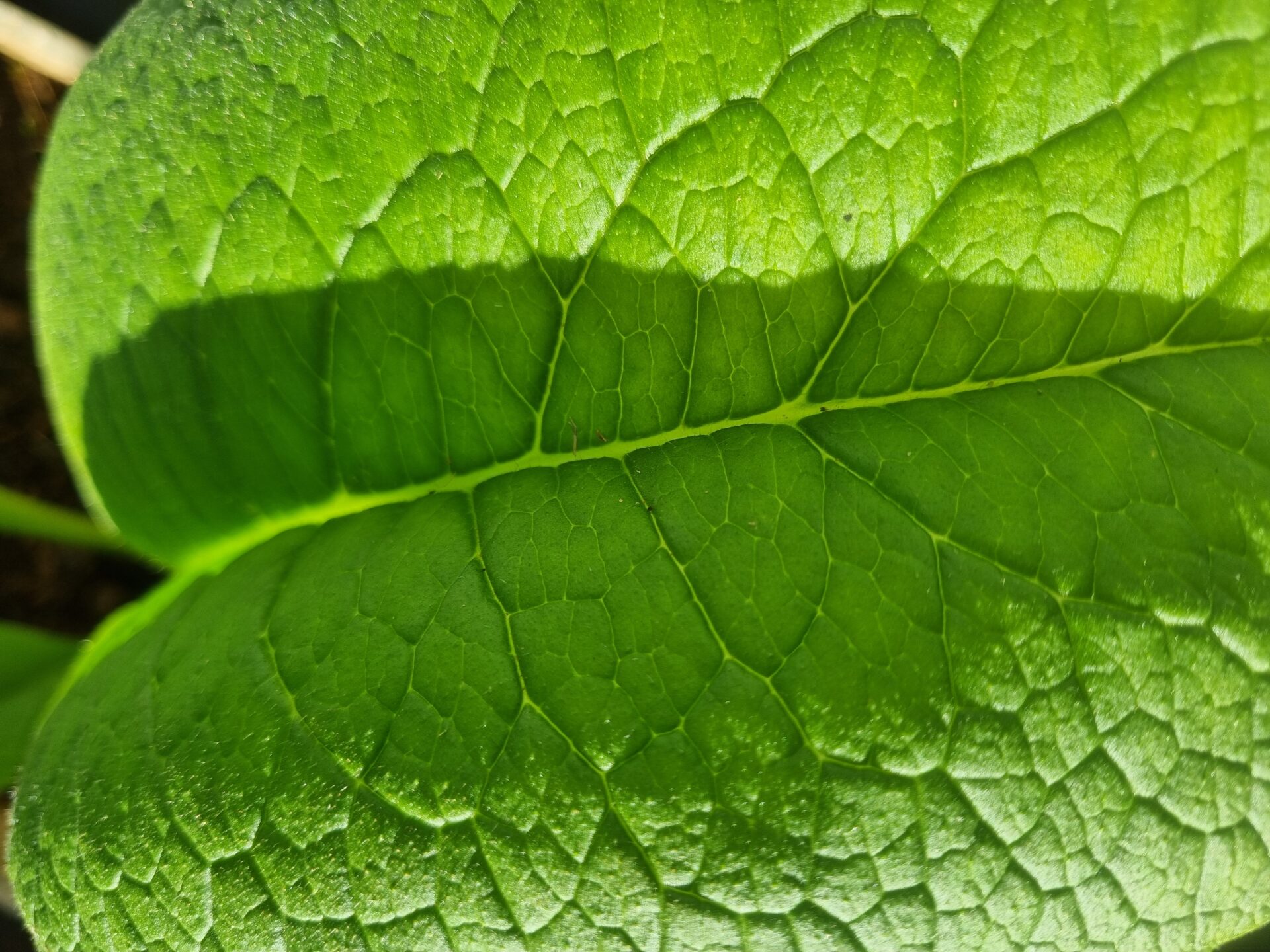
Comfrey kept showing up in my research as one of those “quiet powerhouse” plants. It mines deep minerals, produces a lot of leafy biomass, and can feed both compost heaps and the soil life under our feet. When I learned about the Bocking 14 cultivar, a type of comfrey that is usually propagated from root pieces rather than spreading by seed, it clicked for me as a good starting point.
So I started small: a few Bocking 14 crowns and cuttings in movable containers here in Sedgefield. I wanted to see how they would handle our local sun, wind, and watering patterns before committing to permanent beds.
Why I’m documenting the journey
Instead of disappearing for a year and coming back with a finished project, I decided to learn as I go along. That’s why I created this website and the Sedgefield Comfrey Farm – Bocking 14 South Africa channel on YouTube.
Each short update or video shares something simple:
- How the plants are growing in containers
- Small observations about bounce‑back after stress, root strength, and leaf growth
- Ideas for how comfrey can support mulch, compost, soil health, and eventually livestock feed on the Garden Route
It is not an expert series, it is a record of experiments, so other people in South Africa can learn with me, copy what works, and avoid what doesn’t.
Why the Garden Route (and why containers)
Right now my comfrey plants live in movable containers. That’s partly practical and partly strategic. Containers give me a way to test microclimates and soil mixes before I put comfrey into permanent garden beds.
The Garden Route has a mix of coastal conditions, wind, and microclimates that make it a fascinating place to grow things. My aim is to find the patterns that work here first, then share them with gardeners, small farmers, and nurseries from Sedgefield through to the rest of the region.
Where this is going
This project will grow in stages:
- Stage 1 – Establish & observe
Strengthen the first generation of Bocking 14 plants in containers and test different positions, watering rhythms, and chop‑and‑drop patterns. - Stage 2 – Beds and biomass
Move comfrey into permanent rows and patches where it can produce serious biomass for mulch and compost ingredients. - Stage 3 – Cuttings, crowns, and compost blends
Once the mother plants are strong and productive, start offering Bocking 14 cuttings, crowns, and comfrey‑powered compost blends for South African growers who want to work with this plant.
Along the way I’ll keep weaving in the digital side, simple tools, automations, and tracking that make it easier for busy people to experiment with regenerative systems.
How to follow and get involved
If you’d like to follow the journey:
- Subscribe to the YouTube channel: Sedgefield Comfrey Farm – Bocking 14 South Africa
- Watch the early updates, like the Week 1 container growth video, to see where this started.
If you are a gardener, small farmer, or nursery in South Africa and you want to hear when cuttings, crowns, or compost become available, you can:
- Join the interest list using the form on this site.
- Share a bit about your context, garden, smallholding, or farm, so I can shape future experiments and blends around real needs.
This is the beginning of something small but important for me. It is a way to bring together digital work, plants, and people who care about living soil. Thanks for being here at the start.