How to Plant Comfrey Crowns
Sedgefield · Western Cape · Growing guide
Comfrey crowns are easy to plant once you know the few things that matter: choose a permanent spot, plant the crown at the right depth, water it properly, and give it space to grow.
This guide shows you how to plant comfrey crowns step by step, what to expect during the first few weeks, and how to avoid the common mistakes that slow new plants down.
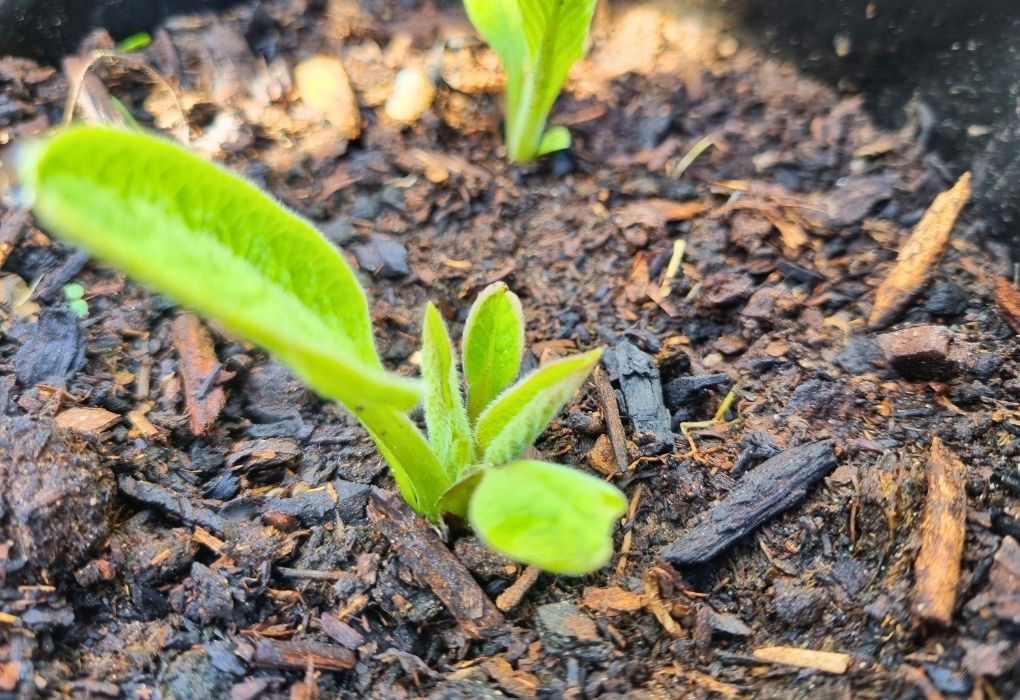
When to Plant Comfrey Crowns
The easiest time to plant comfrey crowns is when the soil is workable and you can keep them watered while they settle in. Mild spring or autumn conditions are ideal, but crowns can also establish at other times if they are planted into decent soil and not left to dry out.
Plant when you can water regularly for the first few weeks.
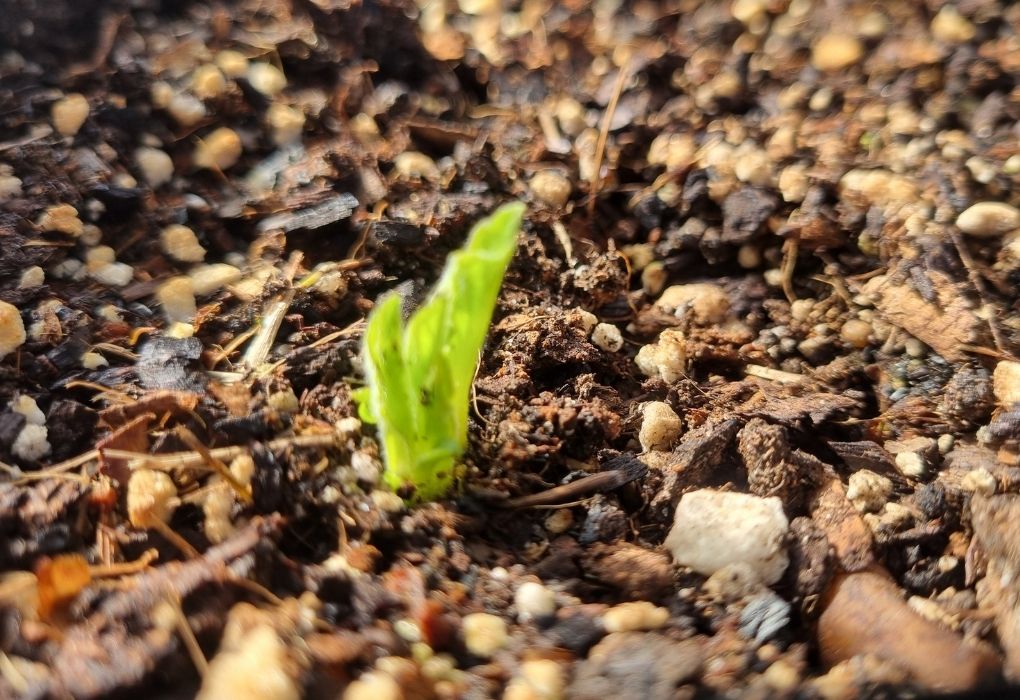
Where to Plant Comfrey Crowns
Choose the spot carefully. Comfrey is a long lived perennial with deep roots, so it is best planted where you want it to stay for years rather than somewhere temporary.
A good location has workable soil, reasonable drainage, and enough light for strong leafy growth. Full sun to partial shade can work well. Many growers place comfrey near fruit trees, compost areas, food forests, or the edge of vegetable gardens, where the leaves are easy to cut and use as mulch or compost material.
Quick checklist
-
Choose a permanent position.
-
Give the plant room to grow.
-
Remove persistent weeds before planting.
-
Plant close enough to your garden system that harvesting leaves will be easy.
-
Avoid low spots that stay waterlogged after rain.

How Deep to Plant Comfrey Crowns
The crown is the top part of the plant where new shoots emerge. Plant it with the growing tip or bud facing upward and sitting just below the soil surface.
Dig a shallow hole, place the crown in position, cover it lightly, and press the soil around it gently so there are no large air gaps. Do not bury the growing point deeply. It needs to be close enough to the surface for fresh shoots to push through easily.
Simple planting rule
-
Growing point facing up.
-
Crown just below the soil surface.
-
Firm the soil gently.
-
Water thoroughly after planting.
Important distinction
This guide is for crowns. Root cuttings are planted differently: they are usually laid horizontally and buried deeper, around 2–4 cm below the surface.
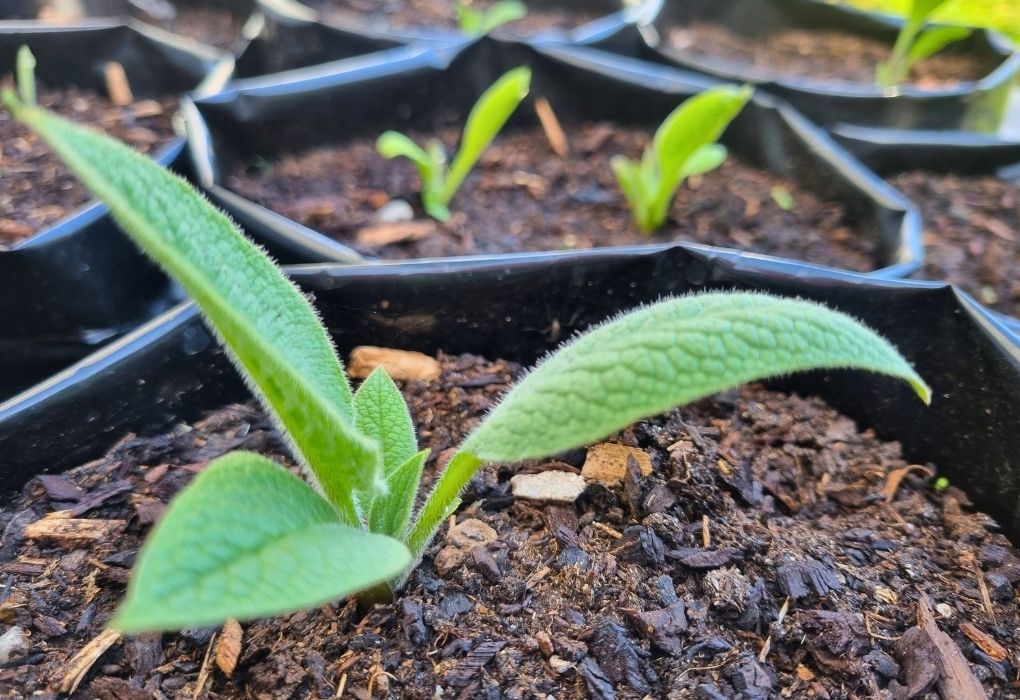
How Far Apart to Plant Comfrey Crowns
Give comfrey more space than you may think. A healthy plant can grow into a large, productive clump, especially in fertile soil with regular water.
For most gardens, allow around 60–90 cm between crowns. Use the wider spacing if you want large plants for lots of leaf production, easier harvesting, and better airflow. If you are making a small comfrey patch, plant in a simple grid so every plant has room to develop.
Practical example
For a small garden, three crowns planted about 75 cm apart can give you a useful long term supply of leaves for mulch, compost, and liquid feed.
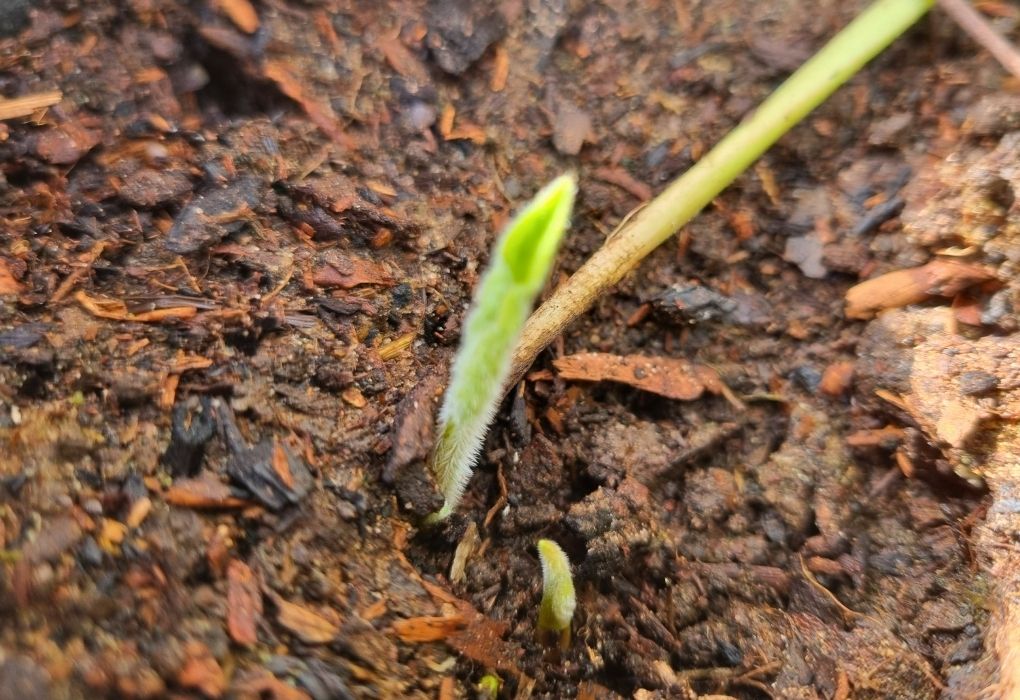
How to Water Comfrey Crowns After Planting
Water deeply as soon as you plant. For the first few weeks, keep the surrounding soil evenly moist while the crown settles in and starts growing roots.
The goal is moist soil, not muddy soil. Comfrey appreciates water during establishment, but crowns can struggle in permanently soggy ground with poor drainage. Once the plant is well established, its deep roots make it much more resilient, but a new crown needs consistent attention at the beginning.
First-month routine
-
Water well immediately after planting.
-
Check the soil every few days, especially in dry weather.
-
Water again when the top few centimetres start drying out.
-
Add light mulch around, not over, the growing point if conditions are dry.
-
Keep competing weeds away while the crown establishes.

What to Expect After Planting Comfrey Crowns
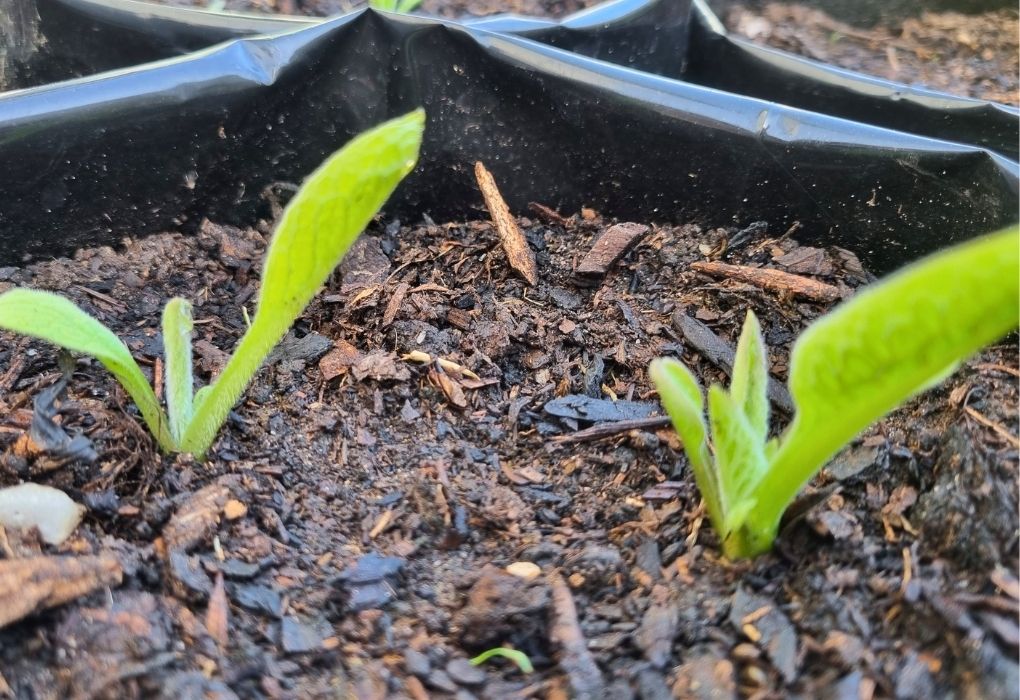
A healthy crown will usually begin sending up shoots within a few days to a few weeks, depending on the season, soil warmth, and moisture. In warmer active growing conditions, new leaves may appear quickly; in cooler or drier conditions, it can take longer.
The best thing you can do after planting is resist the urge to disturb it. Do not dig it up to check whether it is growing. Keep the site watered, watch for shoots, and let the crown build roots and leaves.
During the first season, prioritise establishment. Let the plant gain strength before expecting heavy harvests of leaf material.
Signs your crown is settling in
-
Fresh green shoots emerging from the centre.
-
Leaves becoming larger over time.
-
Soil staying moist without being waterlogged.
-
Gradual, steady growth rather than sudden stress or collapse.

Common Mistakes When Planting Comfrey Crowns
Comfrey is tough once established, but new crowns can be slowed down by a few simple mistakes.
Avoid these
-
Planting the crown upside down.
-
Burying the growing point too deeply.
-
Leaving the crown exposed above the soil to harsh sun in the first few days
-
Letting the planting area dry out repeatedly.
-
Planting into an unprepared, weedy bed.
-
Giving plants too little spacing.
-
Planting somewhere you will later need to dig up or redesign.
A little care in the first month makes a big difference. Once established, Comfrey becomes one of the most reliable long-term plants in a productive garden.
Ready to Start Growing Comfrey?
If you are ready to plant comfrey in your garden, food forest, or compost system, visit our Buy Comfrey page to check current planting stock availability.
If you are unsure whether Common Comfrey or our Bocking 14 crown line is the better fit, read the variety pages first or send us an enquiry through our contact page.