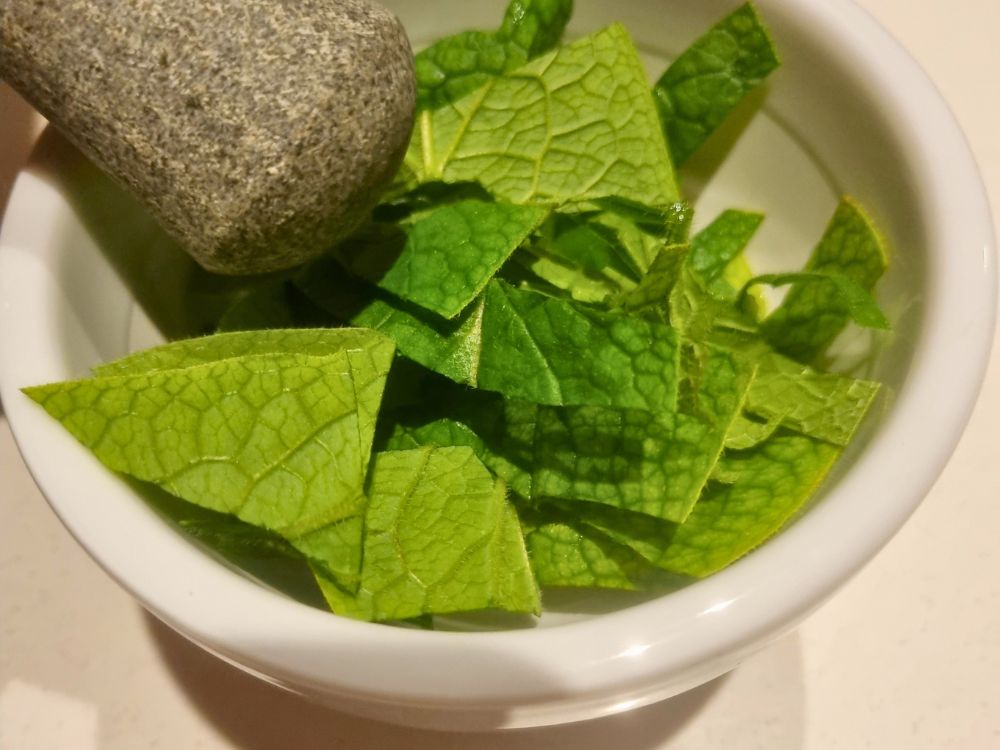
A few weeks ago I had a deep, nagging ache in my lower back. Instead of reaching straight for pills, I decided to try a fresh Comfrey Poultice. The plants are growing a few meters from my door!
What I did
- I harvested a handful of clean comfrey leaves.
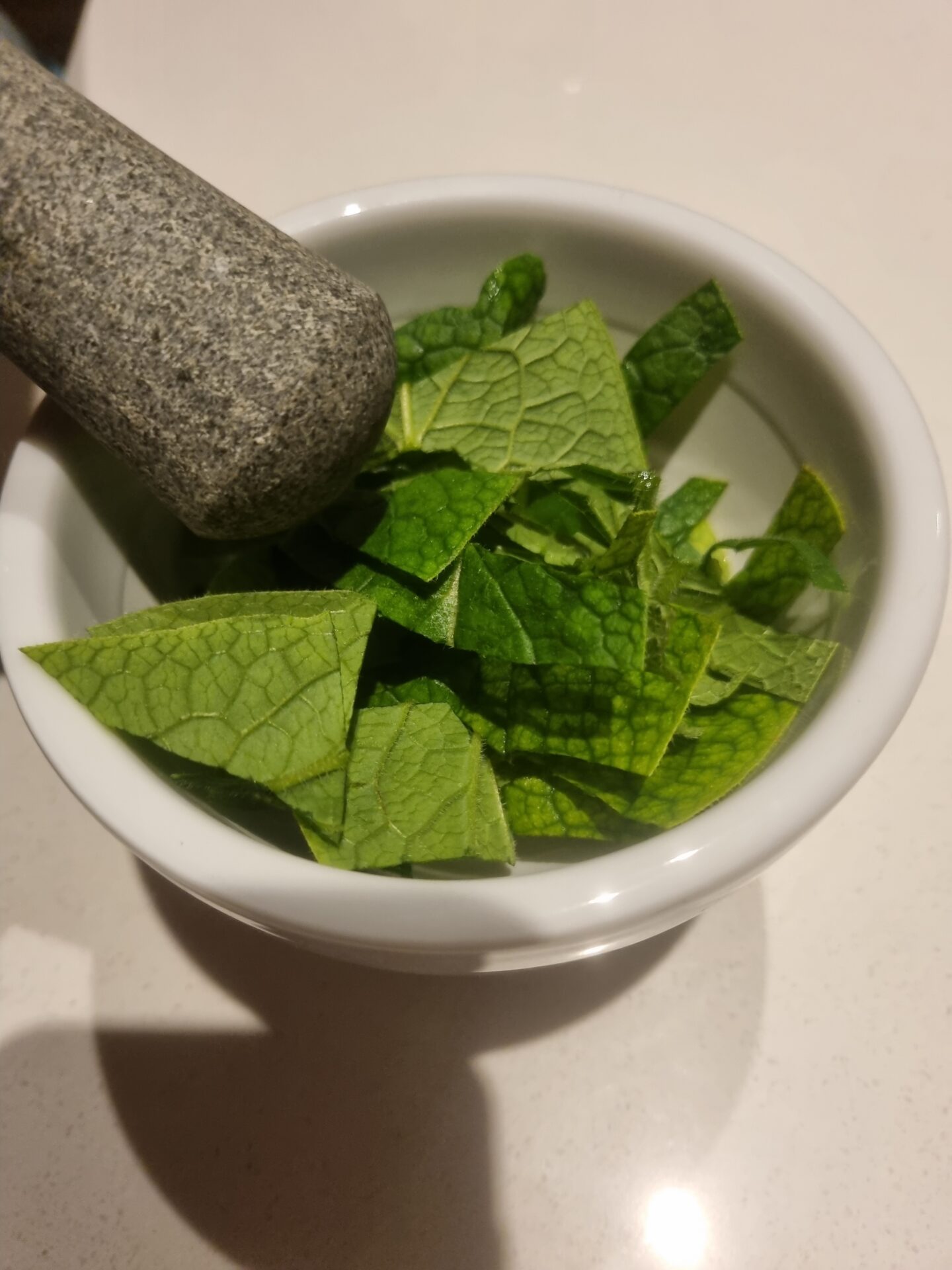
- I chopped and bruised them to release the juices, and added 5 drops of fractionated coconut oil.
- I applied it to the sore area on my lower back and let it sit while I rested for an hour.
Within a short time I noticed the area felt warmer and cooler at the same time. It wasn’t magic or instant perfection, but it was a real, tangible easing, coming directly from a plant I am learning to work with every week.
What others have noticed about comfrey and pain
There is some emerging research and a lot of traditional use behind comfrey for pain relief when used externally. Studies on comfrey salves, creams and gels have shown meaningful reductions in acute back pain and joint pain when applied to the skin over several days. Many gardeners and herbalists also report that fresh‑leaf poultices can support healing for bruises, sprains and muscle strain.
At the same time, modern sources are very clear: comfrey is not considered safe to take internally because of the pyrrolizidine alkaloids in the plant, especially in the roots. The safest route is external, short‑term use on intact skin, with sensible precautions. I wonder how many alkaloids the comfrey leaves have and wonder if any of those other alkaloids cancel out the one that was reported to cause liver damage. I mean when I eat bread these days it does liver damage. I wonder if liver damage is the same as the cleaning up the body. I need more info on this!
Important note – safety first
- I used comfrey only on intact skin, as a short‑term external poultice.
- I don’t use comfrey internally, and I don’t use it on deep or open wounds.
- Anyone with medical conditions, pregnancy, or concerns about herbs should speak to a qualified health professional before trying it.
This article shares my personal experience and research; it is not medical advice.
Why this matters to the Comfrey Project
For me, this little experiment highlighted why I’m so drawn to comfrey. One humble plant can:
- Feed soil and fruit trees with biomass and liquid fertiliser.
- Attract pollinators and beneficial insects.
- Offer an old‑world, external remedy for aches and strains when used with respect.
I see comfrey as a living reminder that simple, well‑placed support, in a garden, a business, or a body, can quietly do a lot of heavy lifting over time.